Persistent back or neck pain can make everyday activities feel like a challenge, especially when conservative treatments no longer provide lasting relief. Fortunately, advances in spine care have transformed the way many spinal conditions are treated. Minimally invasive spine surgery offers an alternative to traditional open procedures for selected patients by reducing tissue disruption while effectively addressing the underlying problem. This article explains how these advanced techniques can support a faster recovery and improved quality of life.
What Is Minimally Invasive Spine Surgery?
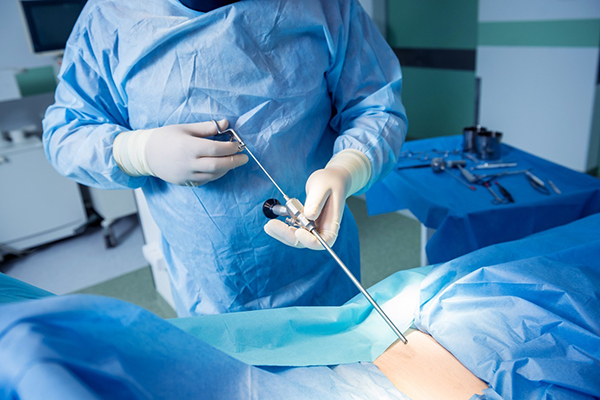
Minimally invasive spine surgery is a surgical approach that uses specialized instruments, advanced imaging, and smaller incisions to access the spine while minimizing disruption to surrounding muscles and soft tissues.
Unlike traditional open spine surgery, which often requires larger incisions and greater muscle dissection, minimally invasive techniques are designed to preserve healthy tissue whenever possible. The goal is to treat the spinal condition effectively while reducing the physical impact of surgery.
These procedures may be used to treat a variety of spinal disorders, depending on the patient's diagnosis, anatomy, and overall health.
Conditions That May Be Treated With Minimally Invasive Spine Surgery
Not every spine condition requires surgery, but some patients benefit from minimally invasive procedures after conservative treatments have been exhausted.
Common conditions include herniated discs, spinal stenosis, degenerative disc disease, lumbar radiculopathy, cervical radiculopathy, selected compression fractures, spinal instability, and certain cases of spondylolisthesis.
Patients who continue to experience persistent pain, numbness, tingling, or muscle weakness despite physical therapy, medications, or interventional pain management may be candidates for surgical evaluation.
A comprehensive assessment helps determine whether minimally invasive surgery is the most appropriate treatment option.
Why Smaller Incisions Can Support Faster Recovery
One of the primary advantages of minimally invasive spine surgery is the ability to reduce unnecessary disruption of muscles and soft tissues.
Because smaller incisions are used, patients may experience less postoperative discomfort, reduced blood loss, lower risk of infection, and less scarring compared with traditional open procedures. Many individuals also benefit from shorter hospital stays and an earlier return to normal daily activities.
Although every patient's recovery is different, preserving healthy tissue often contributes to a smoother rehabilitation process and improved overall comfort during healing.
Advanced Technology Improves Surgical Precision
Modern minimally invasive spine surgery relies on advanced imaging and specialized surgical technology to improve accuracy.
Real-time imaging allows surgeons to visualize spinal anatomy throughout the procedure while carefully navigating around nerves and other critical structures. This precision supports targeted treatment while preserving healthy tissues whenever possible.
Technology enhances the surgeon's ability to perform complex procedures through smaller incisions without compromising the quality of care. Careful planning before surgery also helps create individualized treatment strategies based on each patient's specific spinal condition.
Recovery After Minimally Invasive Spine Surgery
Recovery begins soon after surgery with a focus on safe movement and gradual rehabilitation. Many patients are encouraged to stand and walk under medical supervision within a relatively short time after their procedure.
Physical therapy plays an important role in rebuilding strength, restoring flexibility, improving posture, and promoting healthy movement patterns. Following postoperative instructions and participating actively in rehabilitation can significantly influence long-term outcomes.
While some patients return to work and everyday activities within a few weeks, recovery varies depending on the procedure performed, the complexity of the spinal condition, and overall health.
Personalized Spine Care Leads to Better Outcomes
Successful spine treatment involves much more than choosing a surgical technique. Experienced spine specialists carefully evaluate each patient's symptoms, medical history, imaging studies, lifestyle, and treatment goals before recommending surgery.
Many individuals continue to benefit from conservative approaches such as physical therapy, medications, rehabilitation, and interventional pain management. When surgery becomes necessary, a personalized treatment plan helps ensure the selected procedure addresses the underlying condition while supporting the safest and most effective recovery possible.
This patient-centered approach remains the foundation of modern spine care.
Frequently Asked Questions
What is minimally invasive spine surgery?
Minimally invasive spine surgery uses specialized instruments and smaller incisions to treat spinal conditions while reducing disruption to surrounding muscles and soft tissues. It is designed to achieve effective treatment with a less invasive approach.
Who is a candidate for minimally invasive spine surgery?
Patients with herniated discs, spinal stenosis, degenerative disc disease, nerve compression, or selected spinal instability who have not improved with conservative treatment may be candidates. A spine specialist determines eligibility after a comprehensive evaluation.
Is recovery faster after minimally invasive spine surgery?
Many patients experience shorter hospital stays, less postoperative discomfort, and an earlier return to daily activities compared with traditional open surgery. Individual recovery depends on the condition being treated and the patient's overall health.
Is minimally invasive spine surgery safer than traditional surgery?
Minimally invasive techniques may reduce tissue disruption and certain surgical risks for appropriate candidates. However, the safest and most effective approach depends on the patient's diagnosis, anatomy, and the surgeon's clinical judgment.
Minimally invasive spine surgery continues to expand treatment options for patients seeking relief from chronic neck and back pain while supporting a smoother recovery. If persistent spinal symptoms are affecting your daily life, consulting with a spine specialist can help determine whether a personalized, minimally invasive approach is appropriate for your condition and long-term mobility goals.
Dr. Mark Shasti is a board certified orthopedic spine surgeon with fellowship training in advanced spine surgery and specialized nonsurgical care. He is proficient in the management of all spinal pathologies, specifically cervical and lumbar degenerative diseases, adult and pediatric scoliosis, infection, trauma, and tumors. Dr. Shasti also performs complex procedures, cervical disc arthroplasty (artificial disc) procedures and minimally invasive lumbar surgeries.