Persistent neck or back pain can make even the simplest daily tasks feel overwhelming, especially when discomfort radiates into the arms or legs. While many people worry that ongoing spine pain automatically means surgery, that is often not the case. Modern interventional pain management offers several non-surgical options that may relieve pain and improve function. This article explains how spine injections work, who may benefit from them, and what patients can expect during treatment.
Understanding Spine Injections for Neck and Back Pain
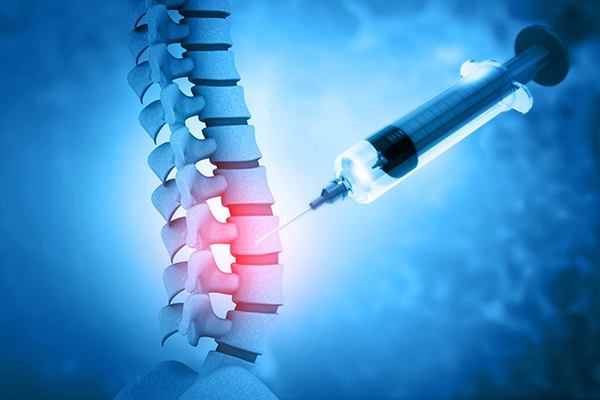
Spine injections are minimally invasive procedures used to diagnose and treat a variety of spinal conditions. Depending on the source of pain, medication is carefully delivered to a specific area of the spine to reduce inflammation, relieve irritation around nerves, or confirm the origin of symptoms.
These procedures are commonly performed as part of a comprehensive treatment plan rather than as a standalone solution. Spine injections may help patients participate more comfortably in physical therapy and rehabilitation, allowing them to regain strength, flexibility, and mobility while addressing the underlying condition.
An accurate diagnosis is essential before recommending any injection therapy.
What Conditions Can Spine Injections Treat?
Spine injections may be appropriate for patients with several common spinal disorders. Conditions that often respond to interventional pain management include herniated discs, spinal stenosis, degenerative disc disease, facet joint arthritis, sciatica, cervical radiculopathy, lumbar radiculopathy, and chronic neck or low back pain.
Some patients also benefit from injections after sustaining a spine-related injury or when pain persists despite medications, rest, or physical therapy. Identifying the precise cause of pain helps determine which type of injection, if any, is most likely to provide meaningful relief.
Types of Spine Injections
Several types of spine injections are available depending on the diagnosis and location of symptoms.
Epidural steroid injections are commonly used to reduce inflammation around irritated spinal nerves and may help relieve pain that travels into the arms or legs. Facet joint injections target small joints in the spine that can become painful due to arthritis or degeneration. Selective nerve root blocks may help identify and treat nerve-related pain, while other image-guided injections can address inflammation affecting specific spinal structures.
The choice of treatment is based on a thorough evaluation, imaging studies, and the patient's overall health and treatment goals.
Why Image Guidance Matters
Modern spine injections are typically performed using advanced imaging guidance to improve accuracy. Fluoroscopy, which uses real-time X-ray imaging, or other imaging technologies help physicians precisely place medication into the intended location.
Accurate needle placement is important because spinal structures are complex and closely positioned around nerves, joints, and blood vessels. Image-guided procedures improve precision while minimizing unnecessary exposure to surrounding tissues.
This careful approach supports both diagnostic accuracy and treatment effectiveness.
Spine Injections Are Part of a Comprehensive Care Plan
Although spine injections can provide significant symptom relief for many patients, they are most effective when combined with a broader treatment strategy.
Physical therapy, rehabilitation exercises, posture improvement, activity modification, medication management, and lifestyle changes often work together to improve long-term outcomes. Patients experiencing persistent symptoms may also undergo additional diagnostic evaluation to monitor progress and determine whether further treatment is needed.
If conservative care, including injections, does not provide sufficient improvement, minimally invasive spine surgery may be considered for selected conditions.
When Should You Consider Spine Injections?
Patients who continue to experience pain after several weeks of conservative treatment may benefit from an evaluation by a spine specialist. Individuals with pain that radiates into the arms or legs, numbness, tingling, or symptoms that interfere with work, exercise, or sleep may also be candidates for interventional pain management.
A comprehensive evaluation helps determine whether spine injections are appropriate or whether another treatment option may better address the underlying condition. The goal is always to develop a personalized treatment plan that focuses on improving function and quality of life while avoiding unnecessary procedures whenever possible.
Frequently Asked Questions
What are spine injections used for?
Spine injections are used to diagnose and treat conditions such as herniated discs, spinal stenosis, sciatica, facet joint arthritis, and nerve-related neck or back pain by reducing inflammation and helping relieve symptoms.
Are spine injections a replacement for surgery?
Not necessarily. Many patients achieve meaningful relief with spine injections and other conservative treatments. However, some individuals with severe spinal conditions may eventually require surgery if symptoms persist or neurological problems develop.
How long do spine injections last?
The duration of relief varies depending on the underlying condition and the individual patient. Some people experience improvement for weeks or months, while others may require additional treatment as part of their overall care plan.
Are spine injections painful?
Most patients experience only mild discomfort during the procedure. Local anesthetic is typically used to improve comfort, and image guidance helps perform the injection accurately and efficiently.
Who is a good candidate for spine injections?
Patients with persistent neck or back pain, radiating arm or leg pain, herniated discs, spinal stenosis, or other spine-related conditions that have not improved with conservative treatment may be candidates after a thorough evaluation by a spine specialist.
Non-surgical spine care continues to provide effective options for many people living with chronic neck and back pain. If your symptoms are affecting your daily life, consulting with a spine specialist can help determine whether spine injections or another personalized treatment approach may be the right step toward lasting pain relief and improved mobility.
Dr. Mark Shasti is a board certified orthopedic spine surgeon with fellowship training in advanced spine surgery and specialized nonsurgical care. He is proficient in the management of all spinal pathologies, specifically cervical and lumbar degenerative diseases, adult and pediatric scoliosis, infection, trauma, and tumors. Dr. Shasti also performs complex procedures, cervical disc arthroplasty (artificial disc) procedures and minimally invasive lumbar surgeries.